Solo or Squad: What Your Gaming Habits Are Actually Telling You About What You Need Right Now
Here's a scenario a lot of us know: you've had a brutal day, you finally sit down to game, and you load up a multiplayer match — because that's what you usually do. But twenty minutes in, you feel weirdly worse. More drained. Maybe even a little annoyed at the teammates you'd normally enjoy playing with.
So what happened?
Short answer: you picked the wrong game for what your brain actually needed. And it's way more common than people talk about.
Your Brain on Solo Gaming
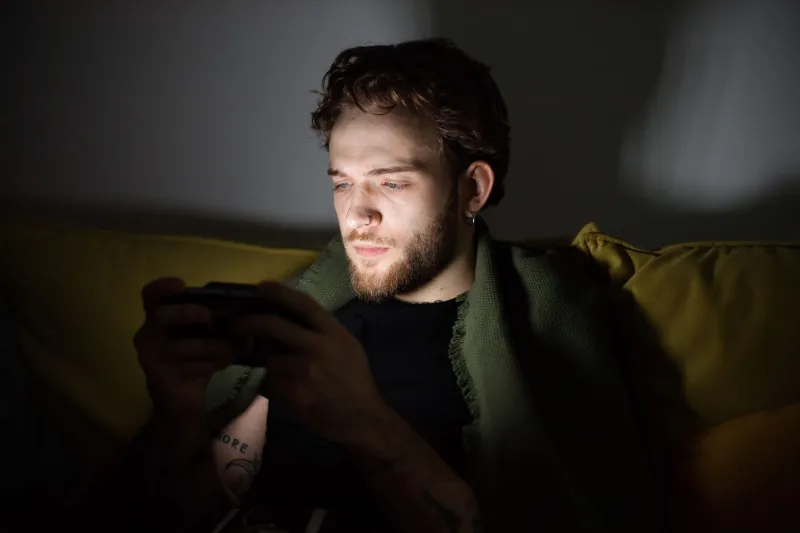
When you play alone — a single-player RPG, a narrative adventure, even a puzzle game — you're giving your brain something specific. You're in control. There's no one to coordinate with, no pressure to communicate, no external expectations. It's just you and the game world.
Researchers who study leisure and stress recovery call this "detachment" — the ability to mentally step away from the demands of real life. Solo games are incredibly good at creating that bubble. You set the pace. You decide when to save and quit. You explore at whatever speed feels right.
For people dealing with high-pressure jobs, social exhaustion, or anxiety, that kind of low-stakes autonomy can feel genuinely restorative. It's not antisocial. It's not lazy. It's your nervous system doing exactly what it's supposed to do.
There's also a narrative immersion element that solo games deliver better than almost anything else. Games like Baldur's Gate 3, Hades, or The Last of Us pull you into a story that responds to your choices. That sense of agency — that you are the main character — activates reward pathways in the brain that feel deeply personal. You're not just playing. You're experiencing something.
What Multiplayer Actually Does to You
Multiplayer is a completely different animal, and it's doing something else to your brain entirely.
Online games — whether it's a battle royale, a co-op shooter, or even a casual party game — introduce social variables. You're reading other people, reacting to unpredictable behavior, communicating under pressure. That activates entirely different cognitive and emotional systems. It can be exciting, energizing, and deeply satisfying.
But here's the catch: multiplayer requires social bandwidth. And if you're already running low on that, jumping into a lobby doesn't refill it — it drains it faster.
This is why a lot of players feel strangely lonely after hours of online gaming. They were technically surrounded by people the whole time, but the interaction was task-focused, often competitive, and rarely emotionally reciprocal. You weren't connecting. You were coordinating. Those are not the same thing.
The Loneliness Trap in Online Games
This is something the gaming community doesn't talk about enough. You can be in a 64-player lobby and feel completely alone. You can grind ranked matches for hours and walk away feeling emptier than when you started.
It usually comes down to the type of social interaction the game is built around. Competitive multiplayer — ranked modes, PvP, leaderboard-chasing — puts you in an environment where other players are obstacles or opponents, not companions. The game isn't designed to make you feel connected. It's designed to make you want to win.
That's fine when you're in the right headspace. But if what you're actually craving is connection, competitive play can make the loneliness worse.
Co-op Changes the Equation
Here's where it gets interesting: co-op gaming hits differently, and there's a real reason for that.
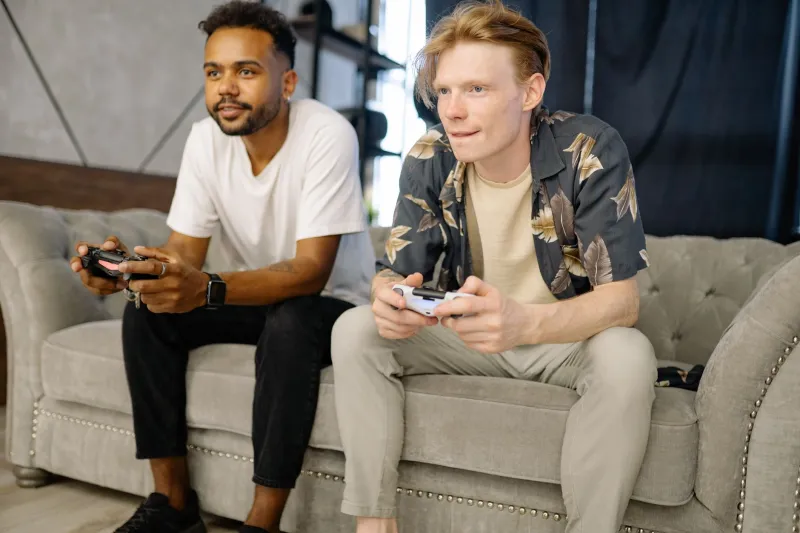
When you're working with someone toward a shared goal — clearing a dungeon, surviving a wave, solving a puzzle together — your brain releases oxytocin, the same bonding chemical involved in real-world social connection. You're not just playing alongside someone. You're genuinely collaborating, which creates a sense of closeness that pure competitive play rarely does.
Games like It Takes Two, Deep Rock Galactic, or even couch co-op sessions of Overcooked are almost unfairly good at making people feel bonded. There's shared struggle. There's communication that actually matters. There's laughter when things go sideways.
If you've been feeling disconnected lately and gaming hasn't been helping, there's a real chance you've been defaulting to competitive solo or multiplayer when what you actually need is a good co-op experience with someone you trust.
How to Actually Choose the Right Game Mode
Okay, so how do you figure out what you need before you load something up? Here's a quick gut-check framework that's genuinely useful:
Ask yourself: Am I tired of people, or tired of being alone?
If the idea of talking to anyone — even online — sounds exhausting, go solo. Pick something immersive and low-stakes. Don't force multiplayer because it's trending or because your friends are online.
Ask yourself: Do I want to win, or do I want to feel something?
Competitive games are great for channeling frustration or feeling accomplished. But if you want emotional engagement, you need a game with story, character, or creative expression built in.
Ask yourself: Am I craving connection or craving escape?
Escape = solo. Connection = co-op with people you actually like. "Being around people" without real interaction (most competitive multiplayer) usually satisfies neither.
Ask yourself: What did the last two hours of gaming leave me feeling?
This one's underrated. If you consistently feel worse after a certain type of game session, that's data. Your brain is telling you something. Pay attention to it.
There's No Wrong Way — But There Is a Smarter Way
None of this is about shaming anyone for how they play. Solo gaming isn't isolating yourself. Competitive multiplayer isn't shallow. The point is that different game experiences serve different needs, and most of us have never really stopped to think about which ones we're actually trying to meet.
Rae's whole thing here at Play With Rae has always been about playing in a way that actually feels good — not just chasing whatever's popular or defaulting to habits you've never questioned. Games are supposed to add something to your life. Sometimes that's excitement. Sometimes that's calm. Sometimes that's a genuine sense of closeness with another person.
The trick is knowing which one you need before you hit that start button.
So next time you're about to load something up, take ten seconds. Check in with yourself. Then go play the thing that's actually going to help.
You've earned it.