Why You Keep Playing Games That Don't Actually Make You Happy

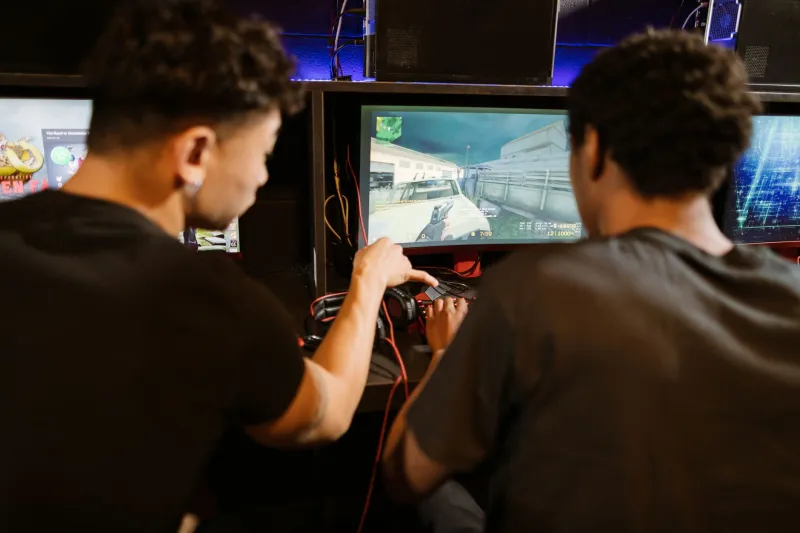
Photo by Photo by lhon karwan on Unsplash on Unsplash
There's a specific kind of tired that gamers know well. Not the good tired — the one that comes after a genuinely great session where you were fully locked in, making decisions that mattered, feeling things. The other kind. The kind where you've been playing for three hours, you've completed a dozen objectives, your inventory is full of loot, your battle pass is 40% further along than it was this morning, and you feel... nothing. Maybe worse than nothing.
You close the game. You don't feel satisfied. You kind of don't feel like yourself.
This isn't a personal failing. It's a design outcome. And once you see it, you can't unsee it.
How Games Learned to Hack Your Brain
To understand why this happens, you need a quick look at how reward systems actually work in the brain — and I promise this won't turn into a psychology lecture.
Dopamine, the neurotransmitter most people associate with pleasure, is actually more accurately described as the chemical of anticipation. It spikes when you expect a reward, not necessarily when you receive one. This is why pulling a slot machine lever feels exciting even when you lose. The possibility is the hit.
Game designers figured this out a long time ago. Variable reward schedules — where you don't know exactly when a reward is coming — are incredibly effective at keeping players engaged. Loot boxes, random drop rates, daily login bonuses that get better the longer you wait: all of it is engineered around this exact mechanism.
The problem is that anticipation and satisfaction are not the same thing. You can be deeply hooked on a system that never actually delivers a feeling of genuine reward. The chase becomes the product, and the destination never quite arrives.
The Difference Between a Game That Rewards You and One That Uses You
Not all reward systems are manipulative. Some games use progression and unlocks in ways that feel genuinely earned and genuinely satisfying. The distinction comes down to whether the reward connects to something meaningful inside the game world or whether it exists purely to manufacture engagement.
When you complete a questline in Baldur's Gate 3 and something significant changes in the story, that's intrinsic reward — the satisfaction comes from the experience itself. When you unlock a new character skin after grinding a daily challenge you didn't actually enjoy, that's extrinsic reward — the satisfaction is supposed to come from the object received, not the process of getting it.
Extrinsic rewards aren't automatically bad. But when a game's entire economy runs on extrinsic rewards that are just slightly out of reach, always requiring a bit more time or a bit more money, the math stops working in your favor.
You're not playing the game at that point. The game is playing you.
Signs You're Stuck in a Loop That Isn't Working
It can be genuinely hard to recognize when a game has shifted from something you enjoy to something you're just compulsively completing. Here are some patterns worth paying attention to:
You log on out of obligation, not desire. If your first thought is 'I need to do my dailies' rather than 'I want to play,' that's a flag. Chores feel like chores regardless of what they're called.
You feel anxious about not playing rather than excited to play. Fear of missing out — limited-time events, expiring battle pass tiers, seasonal content — is a deliberate design lever. If the main thing keeping you in a game is anxiety about losing progress, that's worth examining.
You're not making meaningful choices. A lot of progression systems create the feeling of agency without actually delivering it. If every session looks roughly the same and your decisions don't seem to matter much, the game may be running you on autopilot.
You don't remember what you actually did. Hours pass and you can't really describe what happened in a way that sounds like a story. It was just... tasks. Timers. Numbers going up.
Why Some Games Stay Rewarding (And What They're Doing Differently)
The games that players talk about for years — the ones that show up in 'best of my life' conversations — almost always have something in common. They make you feel capable. They present genuine challenges that require actual skill or creativity, and when you overcome them, the feeling comes from you, not from a notification.
Think about the first time you figured out a puzzle that had been stumping you. Or landed a combo you'd been practicing. Or made a narrative choice that surprised you with how much it mattered. None of those moments came with a pop-up and a sound effect. They came from inside the experience.
Games that prioritize intrinsic satisfaction tend to be ones where the mechanics themselves are enjoyable to engage with — where the act of playing is the point, not just a vehicle for unlocking the next thing. Indie titles often do this well, partly because they don't have the infrastructure for massive live-service reward economies and have to justify your time through actual gameplay.
How to Reset Your Relationship With Progress
If you've been feeling that hollow post-session feeling more than you'd like, a few things can genuinely help.
Take a break from live-service games specifically. The daily login structure is designed to make you feel like you're losing something when you step away. You're not. The game will still be there. Your mental reset is more valuable than a login streak.
Play something with a clear ending. A game with a defined finish line — even a short indie title — reminds you what it feels like to have a complete experience. Completion that means something, not just a counter hitting 100%.
Ask yourself what you actually enjoyed about your last session. Not what you unlocked or how much XP you earned. What happened that felt good? If you can't answer that, it's information.
Give yourself permission to quit games that aren't working. The sunk cost of time already spent is not a good reason to keep playing something that's making you feel worse. Rae's whole vibe here is play — and play is supposed to feel like something.
You deserve games that give back as much as you put in. There are plenty of them out there. Sometimes you just have to step off the treadmill long enough to remember they exist.