Blow on the Cartridge, Touch the Lucky Charm: The Real Reason Gaming Rituals Actually Work
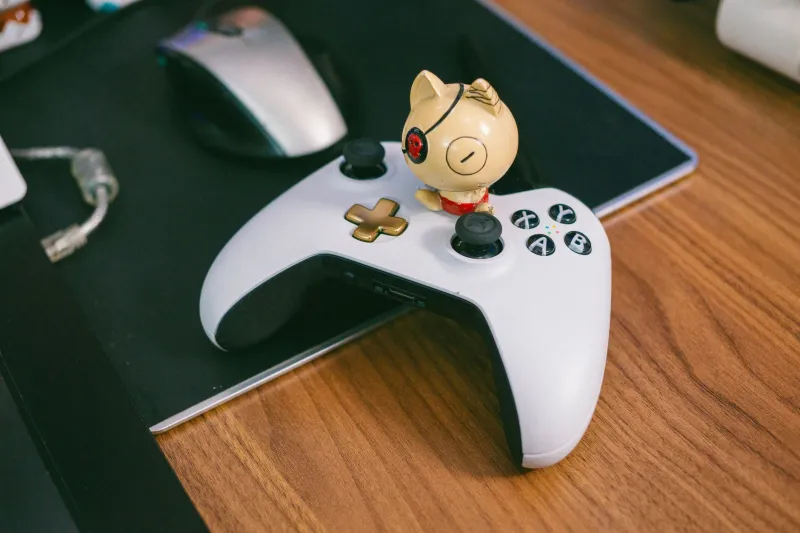
Let's just get this out in the open: you have a ritual. Maybe it's subtle — you always crack your knuckles before a boss fight, or you tap the top of your controller twice before you drop into a match. Maybe it's a little more elaborate — specific chair position, certain playlist, the same snack you had the night you hit your personal best. Whatever it is, you do it. And some part of you genuinely believes it helps.
Here's the thing: you're not alone, and you're not even that wrong.
The Superstition Tax Every Gamer Pays
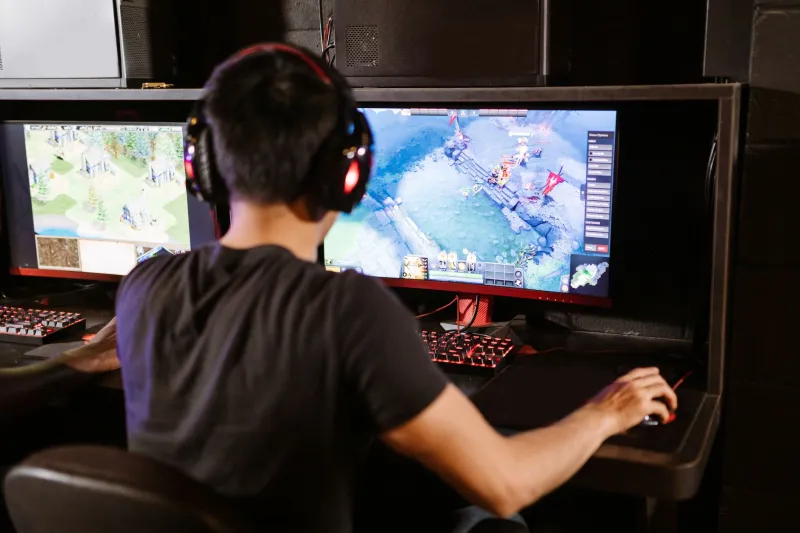
Talk to enough players and you'll hear some wild stuff. One Apex Legends player swears she has to log into the game, back out to the main menu, and re-enter the lobby before she queues — otherwise the match is already cursed. A Madden guy in Chicago won't start a season mode game unless he's sitting on the left cushion of his couch with the TV brightness turned down exactly two notches. A competitive Smash player keeps a specific fidget ring on his right pinky and has worn it to every tournament since 2021.
None of these things have any logical connection to game performance. The servers don't care about your posture. The algorithm isn't reading your snack choices. And yet — these players perform better when their rituals are intact. Or at least they feel like they do, which, as it turns out, might be the same thing.
Your Brain Is Running Its Own Pre-Game Show
Psychologists have a name for what's happening here: it's called a performance ritual, and it's distinct from pure superstition in an important way. Superstition is passive — you believe a black cat crossing your path brings bad luck and there's nothing you can do about it. A ritual is active. You're doing something, and that action is signaling to your brain: we're switching modes now.
Researchers at the University of Cologne found that participants who performed a self-chosen ritual before a task — even something as simple as knocking on a table — performed measurably better than those who didn't. The ritual wasn't magic. What it did was reduce anxiety and sharpen focus by creating a mental transition point. For gamers, that's massive. The difference between a casual browsing headspace and a locked-in competitive headspace can mean everything in a fast-twitch game.
So when you do your little pre-game routine, your nervous system is essentially getting a memo: it's time to be good at this.
The Placebo Effect Has a Controller Now
Here's where it gets genuinely interesting. The placebo effect isn't just about sugar pills and clinical trials — it shows up in performance contexts all the time. Athletes have documented this for decades. A basketball player who believes their pre-shot routine is working will shoot with more confidence, and confidence directly affects muscle memory, reaction time, and decision-making under pressure.
Gaming isn't physically demanding in the same way, but the cognitive pressure is real. Ranked anxiety is real. Tournament nerves are real. When your brain is flooded with stress hormones, your reaction times slow, you second-guess decisions you'd normally make on autopilot, and you tilt faster. Anything that lowers that stress response — including a ritual you've convinced yourself is lucky — can give you a genuine, measurable edge.
The belief isn't delusional. It's functional.
"I Know It's Dumb. I'm Doing It Anyway."
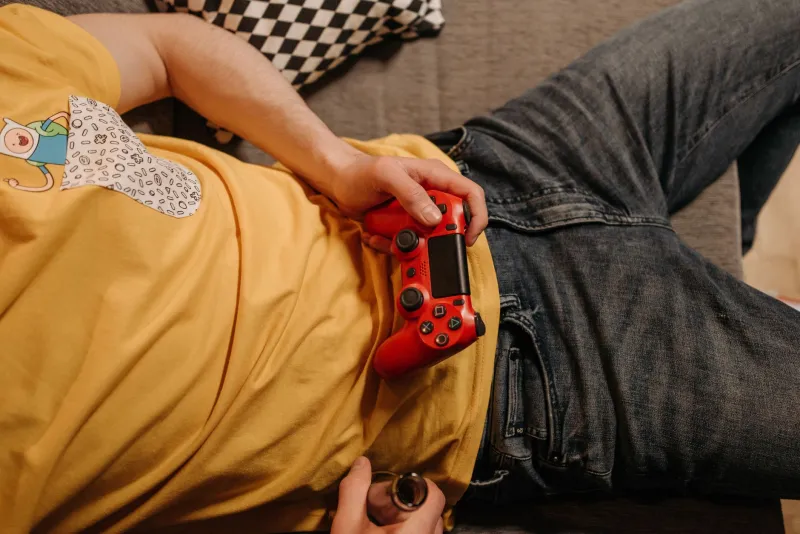
What's funny is that most gamers who have rituals are completely self-aware about them. Nobody actually thinks their lucky hoodie is enchanted. They know, logically, that holding the controller at a slightly upward angle doesn't improve their aim. But they also know that not doing the thing feels wrong, and feeling wrong tanks their performance.
One streamer in the Play With Rae community put it perfectly: "It's not that I think the ritual works. It's that breaking the ritual makes me think about whether the ritual works, and then I'm in my head, and then I'm dead."
That's the real mechanism. Rituals work partly because disrupting them creates distraction. Once you've associated a specific behavior with good performance, skipping it introduces doubt — and doubt is a performance killer. You've basically created a mental dependency, and whether that's a problem or a tool depends entirely on how you use it.
When Rituals Become a Trap
Okay, there's a flip side here. If your ritual is simple and accessible — a breathing exercise, a specific playlist, a quick stretch — that's genuinely useful. But some players build rituals that are so specific or so fragile that they become liabilities.
Can't play without your exact gaming chair? What happens at a friend's place, or at a LAN event? Have a ritual that takes 20 minutes to complete? That's 20 minutes of friction every time you want to play. Have a superstition that involves another person or an external object you can't always control? You're building anxiety into your setup by default.
The sweet spot is a ritual that's portable, repeatable, and genuinely calming — not one that requires perfect conditions to execute. Think of it like a pre-game warm-up, not a magic spell.
How to Build a Ritual That Actually Helps
If you don't already have a gaming ritual and you want one, here's the good news: you can build one intentionally and it'll still work. The brain doesn't require the ritual to have a long history — it just needs consistent repetition until the association locks in.
Start small. Pick two or three things you can do every single time before a serious session: a specific stretch, a few deep breaths, a short warm-up in a low-stakes mode. Do them in the same order. Give it a few weeks. You're essentially training your brain to recognize those actions as a green light for focused play.
The key is consistency, not complexity. The simpler the ritual, the more reliable it is — and reliability is the whole point.
So Yeah, Blow on That Cartridge
Look, the controller placement isn't changing your stats in any technical sense. The lucky chair isn't boosting your frame rate. But if you've built a ritual that puts you in the right headspace, lowers your anxiety, and signals to your brain that it's time to lock in? That's not superstition. That's just knowing how your own mind works — and using it.
The line between a weird habit and a legit mental performance tool is thinner than most people think. So whatever your pre-game thing is, own it. Just maybe don't build your whole identity around a specific couch cushion.
You've got games to win.